Announcing OpenAI’s Bug Bounty Program
This initiative is essential to our commitment to develop safe and advanced AI. As we create technology and services that are secure, reliable, and trustworthy, we need your help.
The move towards monitoring HR tools and applications for bias is gaining traction worldwide, driven by various global and domestic data privacy laws and the US Equal Employment Opportunity Commission (EEOC). In line with this trend, the New York City Council has enacted new regulations requiring organizations to conduct yearly bias audits on automated employment …
Read more “Global executives and AI strategy for HR: How to tackle bias in algorithmic AI”
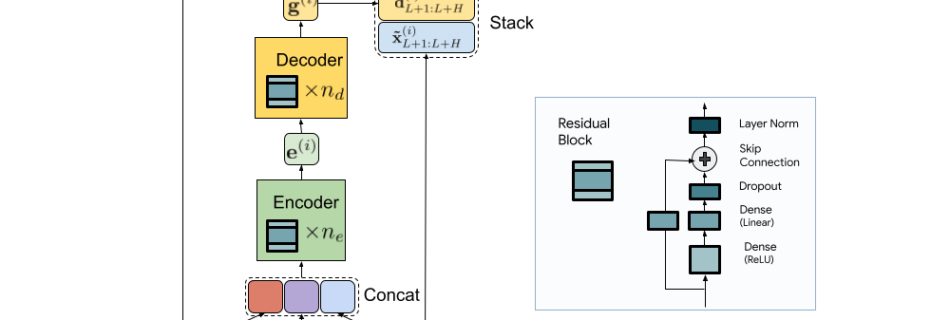
Posted by Sara Ahadi, Research Fellow, Applied Science, and Andrew Carroll, Product Lead, Genomics Aging is a process that is characterized by physiological and molecular changes that increase an individual’s risk of developing diseases and eventually dying. Being able to measure and estimate the biological signatures of aging can help researchers identify preventive measures to …
Read more “Developing an aging clock using deep learning on retinal images”
Financial services, the gig economy, telco, healthcare, social networking, and other customers use face verification during online onboarding, step-up authentication, age-based access restriction, and bot detection. These customers verify user identity by matching the user’s face in a selfie captured by a device camera with a government-issued identity card photo or preestablished profile photo. They …
Read more “Detect real and live users and deter bad actors using Amazon Rekognition Face Liveness”
Recorded Future announces the release of a GPT-powered threat intelligence tool that can generate real-time reports.Read More
From Triangle of Sadness to Boston Strangler, these are the films you need to watch on the streaming service right now.
Brain scans taken during table tennis reveal differences in how we respond to human versus machine opponents.
Researchers have designed a low-cost, energy-efficient robotic hand that can grasp a range of objects—and not drop them—using just the movement of its wrist and the feeling in its “skin.”
submitted by /u/Afraid-Bullfrog-9019 [link] [comments]
Dholakia discusses how more capabilities and shorter gaps between model releases could impact use cases and investments in this field in the future.