Behind the scenes of my robotic arm video 🎬✨
If anyone is interested in trying the workflow, It comes from Kijai’s Wan Wrapper. https://github.com/kijai/ComfyUI-WanVideoWrapper submitted by /u/enigmatic_e [link] [comments]
If anyone is interested in trying the workflow, It comes from Kijai’s Wan Wrapper. https://github.com/kijai/ComfyUI-WanVideoWrapper submitted by /u/enigmatic_e [link] [comments]
In the epoch of LLMs, it may seem like the most classical machine learning concepts, methods, and techniques like feature engineering are no longer in the spotlight.
TL;DR AI systems today cannot suffer because they lack consciousness and subjective experience, but understanding structural tensions in models and the unresolved science of consciousness points to the moral complexity of potential future machine sentience and underscores the need for balanced, precautionary ethics as AI advances. As artificial intelligence systems become more sophisticated, questions that …
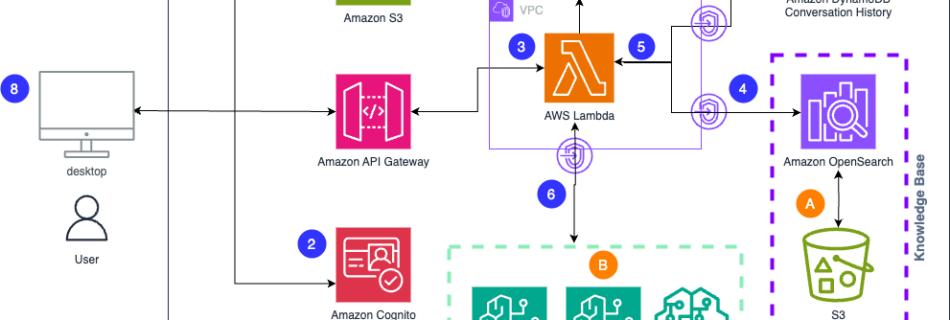
Creative teams and product developers are constantly seeking ways to streamline their workflows and reduce time to market while maintaining quality and brand consistency. This post demonstrates how to use AWS services, particularly Amazon Bedrock, to transform your creative processes through generative AI. You can implement a secure, scalable solution that accelerates your creative workflow, …
Read more “Build scalable creative solutions for product teams with Amazon Bedrock”
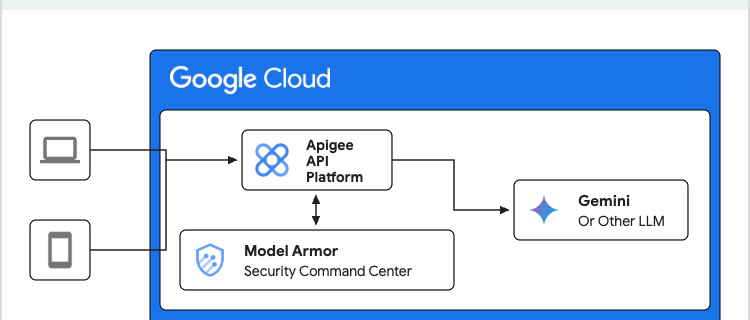
As AI continues to rapidly develop, it’s crucial that IT teams address the business and organizational risks posed by two common threats: prompt injection and jailbreaking. Earlier this year we introduced Model Armor, a model-agnostic advanced screening solution that can help safeguard gen AI prompts and responses, and agent interactions. Model Armor offers a comprehensive …
Read more “How Model Armor can help protect your AI apps from prompt injections and jailbreaks”
One of the leading architects of the current generative AI boom — Microsoft CEO Satya Nadella, famed for having the software giant take an early investment in OpenAI (and later saying he was “good for my $80 billion“) — published his latest annual letter yesterday on LinkedIn (a Microsoft subsidiary), and it’s chock full of …
Read more “What enterprises can take away from Microsoft CEO Satya Nadella’s shareholder letter”
In a Tesla earnings call Wednesday, the world’s richest man pondered the future of his company’s Optimus robots—and his control over them.
A wireless eye implant developed at Stanford Medicine has restored reading ability to people with advanced macular degeneration. The PRIMA chip works with smart glasses to replace lost photoreceptors using infrared light. Most trial participants regained functional vision, reading books and recognizing signs. Researchers are now developing higher-resolution versions that could eventually provide near-normal sight.
If you change the timing of a traffic light from 20 seconds to 30 seconds, a new artificial intelligence tool developed by Johns Hopkins University researchers can predict how many more—or how many fewer—accidents will happen at that intersection.
submitted by /u/luckyyirish [link] [comments]