AI content generation is about feeding your AI models with semantic and contextual information. The result is a platform that can ‘understand’ what an item is, and how it should be used. AI creates content using semantic knowledge in any form of content including video, 3d, VR and more.
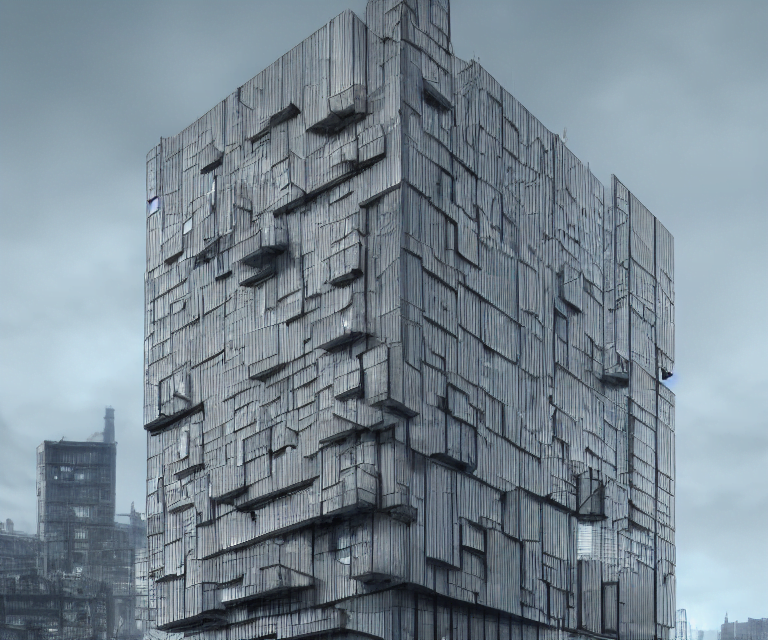
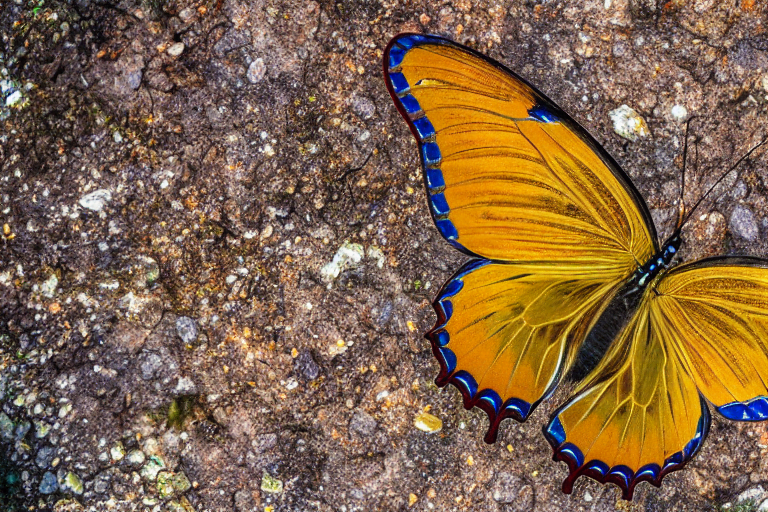
Images Created by AI














Latest Artificial Intelligence Content News
Build financial resilience with AI-powered tabletop exercises on Google Cloud
In the financial sector, resilience isn’t optional. Recent cloud outages have shown us exactly how fast critical data can disappear. The risk is amplified by major regulatory drivers like the Digital Operational Resilience Act (DORA), which mandates that financial institutions are ready for any disruption. The recent designation of Google…
Study of Buddhist Monks Finds Meditation Alters Brain Activity
Meditation isn’t thinking about nothing. New research reinforces that it’s a mind-altering, dynamic state that promotes focus, learning, and well-being.
AI and brain control: New system identifies animal behavior and silences responsible neurons in real time
A male fruit fly in a laboratory chamber extends his wings and vibrates them to produce his species’ version of a love song. A female fly stays nearby listening. Suddenly, a green light flashes across the chamber for a fraction of a second. The male’s song cuts off mid-note and…
The realism that you wanted – Z Image Base (and Turbo) LoRA
submitted by /u/Major_Specific_23 [link] [comments]