image1

Identifying Interactions at Scale for LLMs

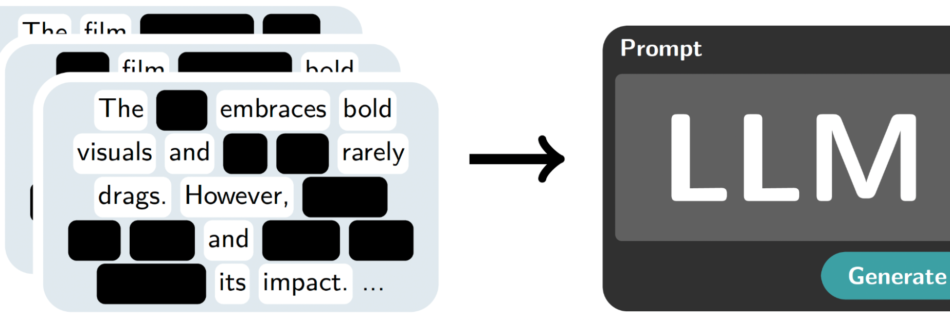
Understanding the behavior of complex machine learning systems, particularly Large Language Models (LLMs), is a critical challenge in modern artificial intelligence. Interpretability research aims to make the decision-making process more transparent to model builders and impacted humans, a step toward safer and more trustworthy AI. To gain a comprehensive understanding, we can analyze these systems …

info estimation overview

Information-Driven Design of Imaging Systems

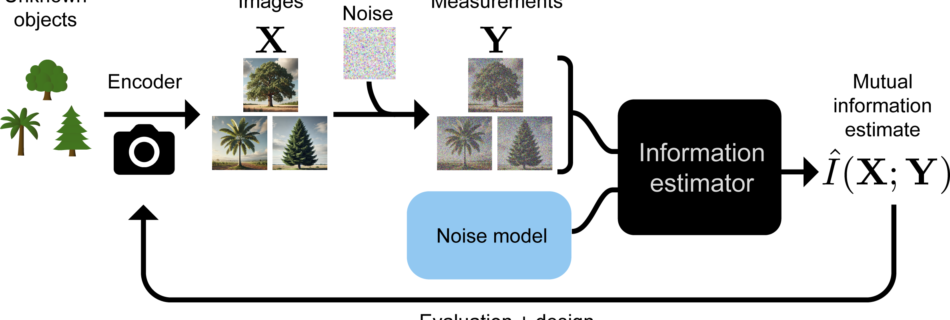
An encoder (optical system) maps objects to noiseless images, which noise corrupts into measurements. Our information estimator uses only these noisy measurements and a noise model to quantify how well measurements distinguish objects. Many imaging systems produce measurements that humans never see or cannot interpret directly. Your smartphone processes raw sensor data through algorithms before …

AI-powered robot learns how to harvest tomatoes more efficiently

A new tomato-picking robot is learning to think before it acts. Instead of simply identifying ripe fruit, it predicts how easy each tomato will be to harvest and adjusts its approach accordingly. This smarter strategy boosted success rates to 81%, with the robot even switching angles when needed. The breakthrough could pave the way for …

Trained on Tokens, Calibrated on Concepts: The Emergence of Semantic Calibration in LLMs

Large Language Models (LLMs) often lack meaningful confidence estimates for their outputs. While base LLMs are known to exhibit next-token calibration, it remains unclear whether they can assess confidence in the actual meaning of their responses beyond the token level. We find that, when using a certain sampling-based notion of semantic calibration, base LLMs are …