MSSignals Hero

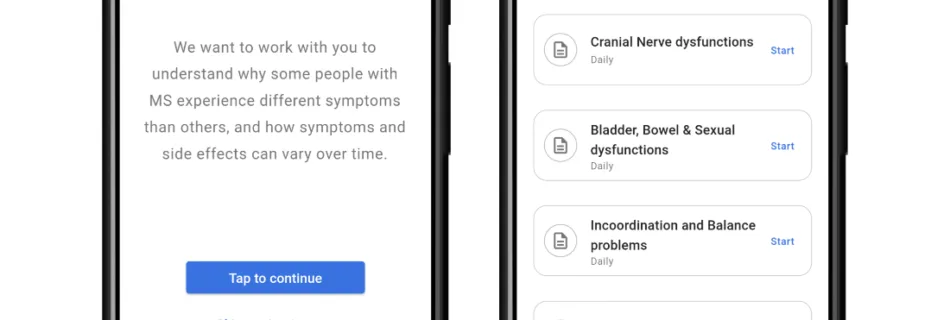
Enabling large-scale health studies for the research community

Posted by Chintan Ghate, Software Engineer, and Diana Mincu, Research Engineer, Google Research As consumer technologies like fitness trackers and mobile phones become more widely used for health-related data collection, so does the opportunity to leverage these data pathways to study and advance our understanding of medical conditions. We have previously touched upon how our …

ml 15084 image001

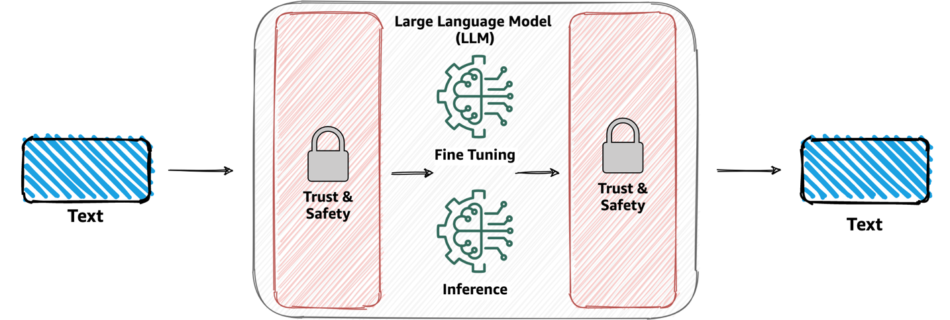
Build trust and safety for generative AI applications with Amazon Comprehend and LangChain

We are witnessing a rapid increase in the adoption of large language models (LLM) that power generative AI applications across industries. LLMs are capable of a variety of tasks, such as generating creative content, answering inquiries via chatbots, generating code, and more. Organizations looking to use LLMs to power their applications are increasingly wary about …

ai and hpc.max 1000x1000 1

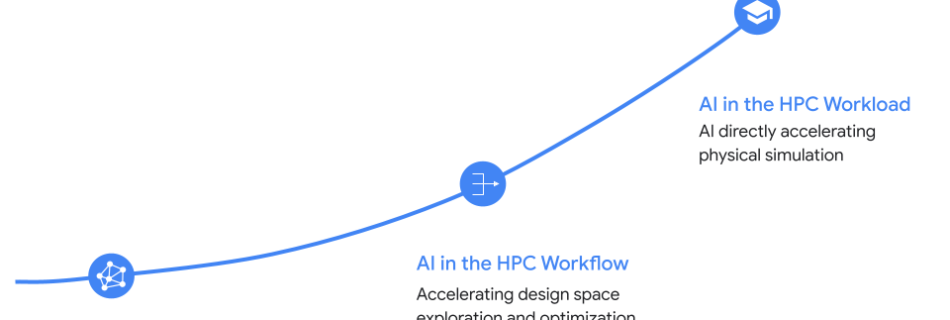
Running AI and ML workloads with the Cloud HPC Toolkit

The convergence of high performance computing (HPC) systems and AI and machine learning workloads is transforming the way we solve complex problems. HPC systems are well-suited for AI and machine learning workloads because they offer the AI-enabled computing infrastructure and parallel processing capabilities needed to train ML workloads like large language models (LLMs) — AI …

CAIR hero 1

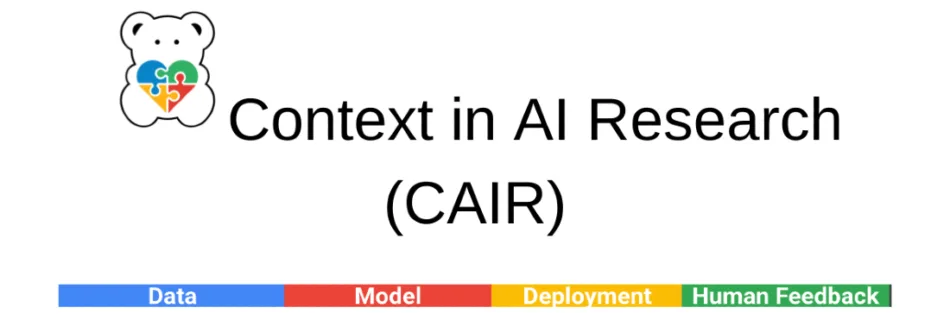
Responsible AI at Google Research: Context in AI Research (CAIR)

Posted by Katherine Heller, Research Scientist, Google Research, on behalf of the CAIR Team Artificial intelligence (AI) and related machine learning (ML) technologies are increasingly influential in the world around us, making it imperative that we consider the potential impacts on society and individuals in all aspects of the technology that we create. To these …

Five scalability pitfalls to avoid with your Kafka application

Apache Kafka is a high-performance, highly scalable event streaming platform. To unlock Kafka’s full potential, you need to carefully consider the design of your application. It’s all too easy to write Kafka applications that perform poorly or eventually hit a scalability brick wall. Since 2015, IBM has provided the IBM Event Streams service, which is …

CAIR hero

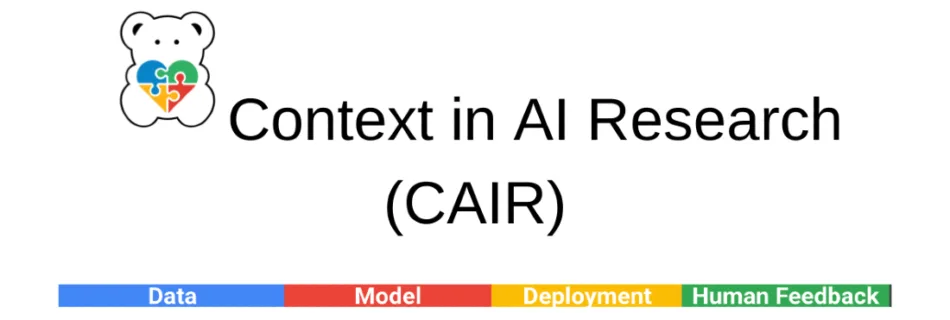
Responsible AI at Google Research: Context in AI Research (CAIR)

Posted by Katherine Heller, Research Scientist, Google Research, on behalf of the CAIR Team Artificial intelligence (AI) and related machine learning (ML) technologies are increasingly influential in the world around us, making it imperative that we consider the potential impacts on society and individuals in all aspects of the technology that we create. To these …

mlblog 10634 image001

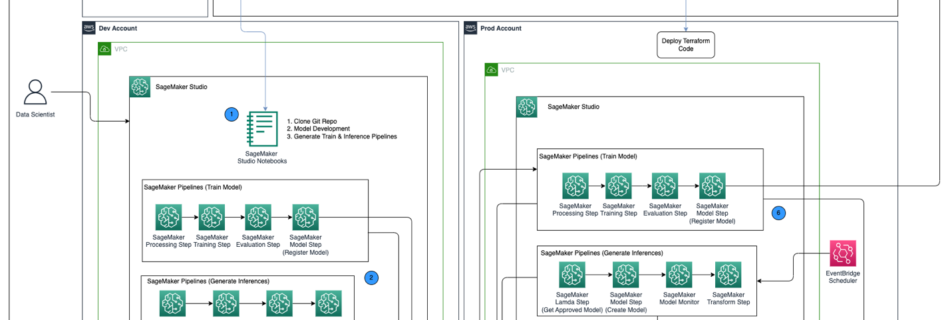
Promote pipelines in a multi-environment setup using Amazon SageMaker Model Registry, HashiCorp Terraform, GitHub, and Jenkins CI/CD

Building out a machine learning operations (MLOps) platform in the rapidly evolving landscape of artificial intelligence (AI) and machine learning (ML) for organizations is essential for seamlessly bridging the gap between data science experimentation and deployment while meeting the requirements around model performance, security, and compliance. In order to fulfill regulatory and compliance requirements, the …

1 qgQmV8D.max 1000x1000 1

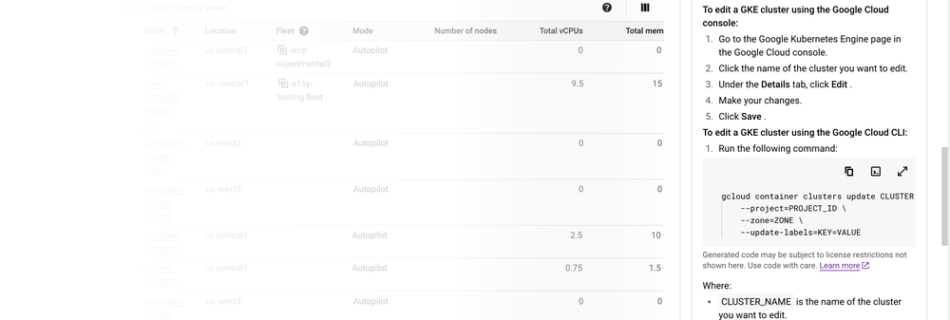
3 new ways Duet AI can help you get things done fast in the Google Cloud console

Editorial note: Whether you’re new to Google Cloud or an experienced user, read on to learn how Duet AI can help you learn about products and services, generate code and commands, and understand your environment. In fast-moving organizations, engineers often work on large projects that utilize hundreds of cloud products and services, spanning multiple teams …

SeMAnD: Self-Supervised Anomaly Detection in Multimodal Geospatial Datasets

*= Equal Contributors We propose a Self-supervised Anomaly Detection technique, called SeMAnD, to detect geometric anomalies in Multimodal geospatial datasets. Geospatial data comprises acquired and derived heterogeneous data modalities that we transform to semantically meaningful, image-like tensors to address the challenges of representation, alignment, and fusion of multimodal data. SeMAnD is comprised of (i) a …